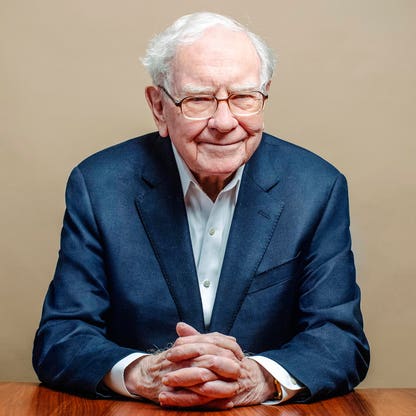
Warren Buffett’s journey from a young boy in Omaha to the “Oracle of Omaha” is a masterclass in capital discipline. His biography is defined by a refusal to be swayed by the “noise” of the market, a trait that most famously manifested during the dot-com bubble of the late 1990s. While the world rushed into internet startups, Buffett stayed on the sidelines, incurring the ridicule of peers who claimed he had “lost his touch.”
Buffett’s hesitation toward technology wasn’t a dislike of innovation, but a strict adherence to his “circle of competence.” He famously argued that if he couldn’t predict a company’s cash flows ten years into the future, he had no business owning it. His philosophy centers on Economic Moats—sustainable competitive advantages like the brand power of Coca-Cola or the network of Geico. Tech, with its rapid obsolescence and “winner-takes-most” volatility, lacked the predictability he craved.
However, the 2010s marked a subtle evolution. Under the influence of his lieutenants, Todd Combs and Ted Weschler, Berkshire Hathaway entered the tech fray—most notably with a massive stake in Apple. Buffett reclassified Apple not as a “tech company,” but as a consumer products company with an unbreakable moat. This shift proved that his capital discipline was not rigid dogma, but a filter designed to protect principal above all else. His life’s work serves as a reminder: you don’t have to catch every wave to win, as long as you don’t drown in the ones you miss.