U.S. President Donald Trump is preparing to launch a large-scale strategic stockpile of critical minerals, committing approximately $12 billion to help protect American manufacturers from supply disruptions and reduce dependence on China-dominated supply chains.
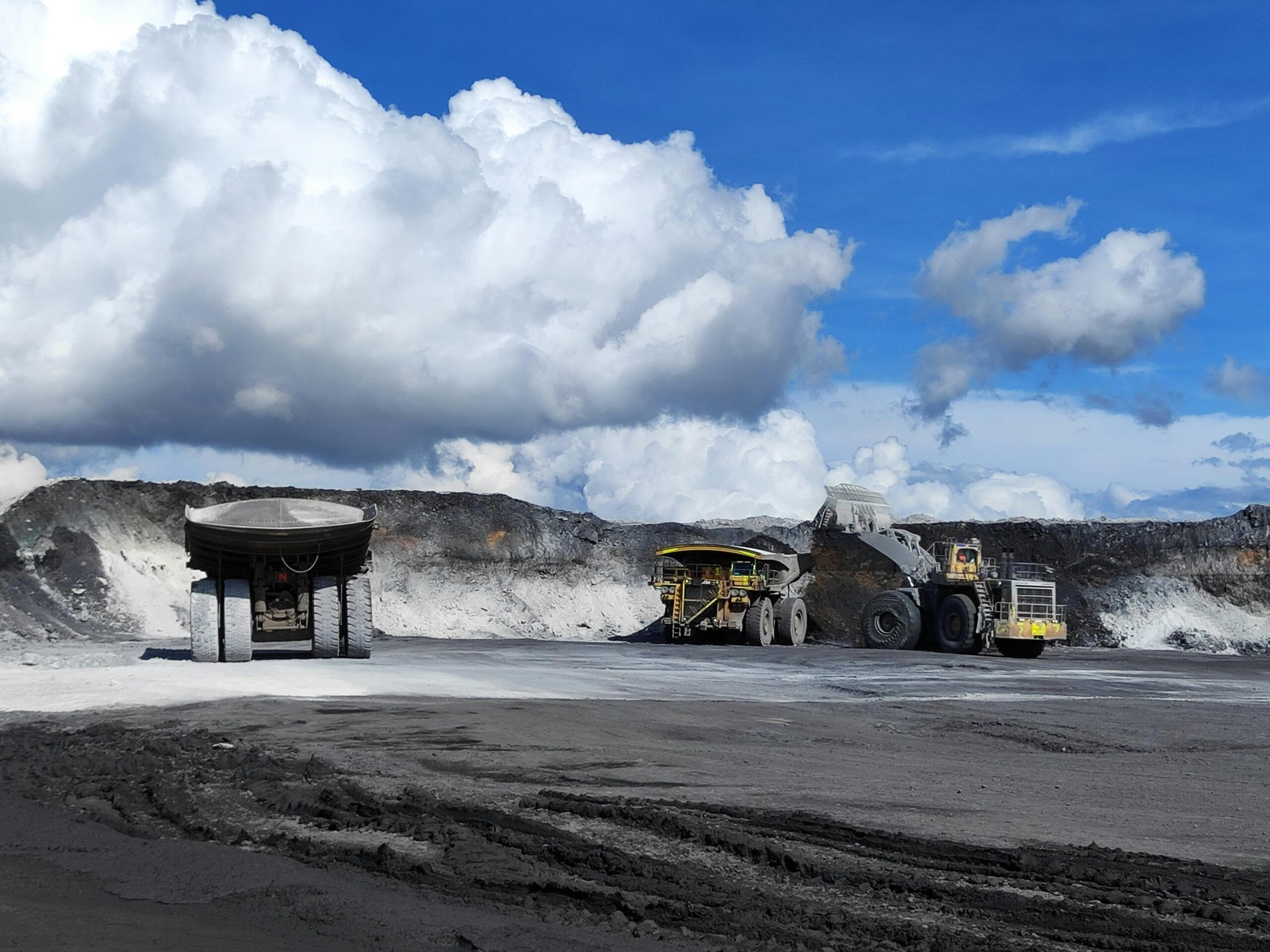
The initiative, known as Project Vault, is designed to function in a manner similar to the U.S. Strategic Petroleum Reserve, but instead of crude oil, it will focus on minerals that are essential for modern manufacturing, defense systems, and advanced technologies. These materials include rare earth elements and critical metals such as gallium, cobalt, lithium, and nickel, which are widely used in electric vehicles, consumer electronics, jet engines, batteries, and military hardware.
Financing and Structure
Project Vault will be funded primarily through a $10 billion loan from the U.S. Export-Import Bank, supplemented by around $1.67 billion in private sector investment. The program will acquire and store minerals on behalf of participating manufacturers, allowing companies to access strategic reserves without holding large inventories on their own balance sheets.
Under the structure outlined by administration officials, manufacturers will commit in advance to purchasing specific quantities of minerals at agreed prices. The stockpile will then procure and hold those materials, with participating firms paying fees to cover financing and storage costs. In the event of major supply disruptions, companies will be able to draw down from the reserve, provided they later replenish their allocations.
Countering China’s Market Dominance
The policy is aimed at countering China’s dominant role in global mineral markets. China currently controls a large share of both mining and processing capacity for many rare earths and critical minerals, giving it significant influence over pricing and availability. U.S. officials argue this has placed American manufacturers at a strategic disadvantage and exposed them to geopolitical and economic risks.
By creating a visible and well-funded reserve, U.S. policymakers hope to reduce volatility, stabilize access to key inputs, and weaken China’s leverage over critical supply chains.
Industry Participation and Market Reaction
More than a dozen major corporations are expected to participate in the program, including firms in the automotive, aerospace, technology, and industrial sectors. Reported participants include companies such as General Motors, Boeing, Stellantis, Corning, GE Vernova, and Google.
Commodities trading firms including Hartree Partners, Traxys North America, and Mercuria Energy Group are expected to manage procurement and logistics for the stockpile.
Following reports of the initiative, shares of several rare earth and critical minerals companies rose, reflecting investor expectations of increased demand and stronger government support for the sector.
Broader Policy Context
Project Vault aligns with broader bipartisan efforts in Washington to strengthen domestic and allied supply chains for critical materials. Lawmakers have also proposed separate legislation to establish a federally funded mineral reserve to encourage domestic mining and refining.
Overall, the initiative signals a growing strategic focus on securing access to minerals that are considered vital to U.S. industrial competitiveness, national security, and emerging technologies.