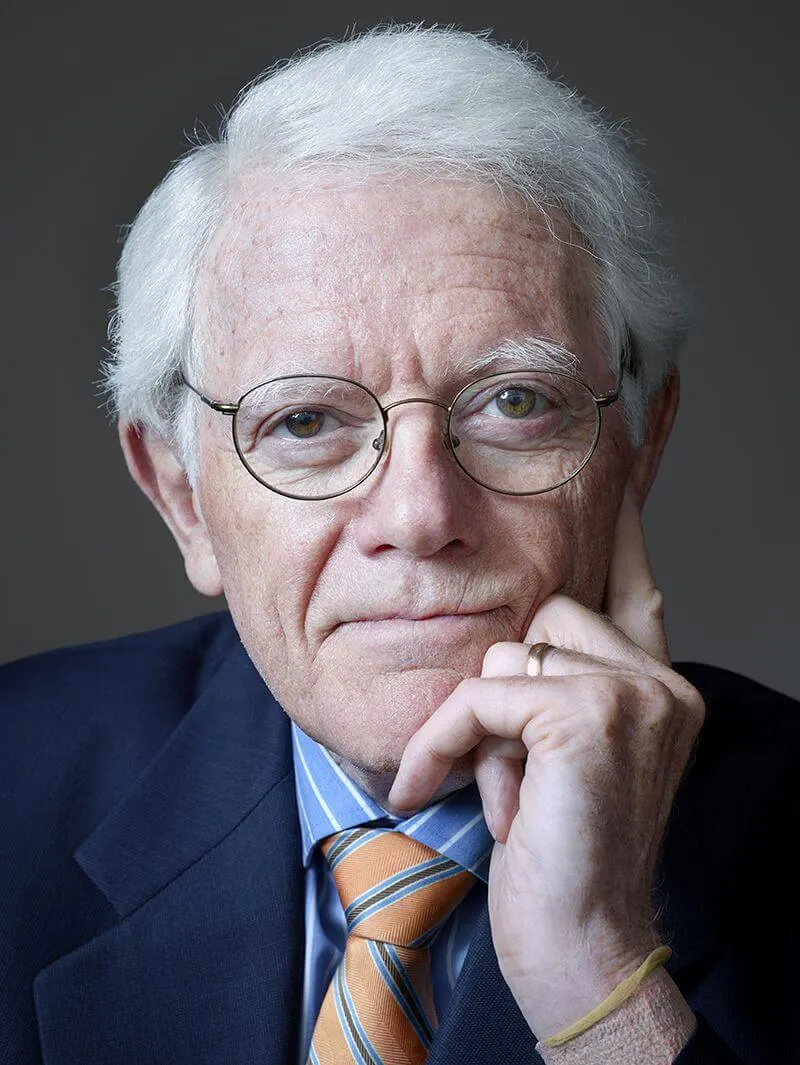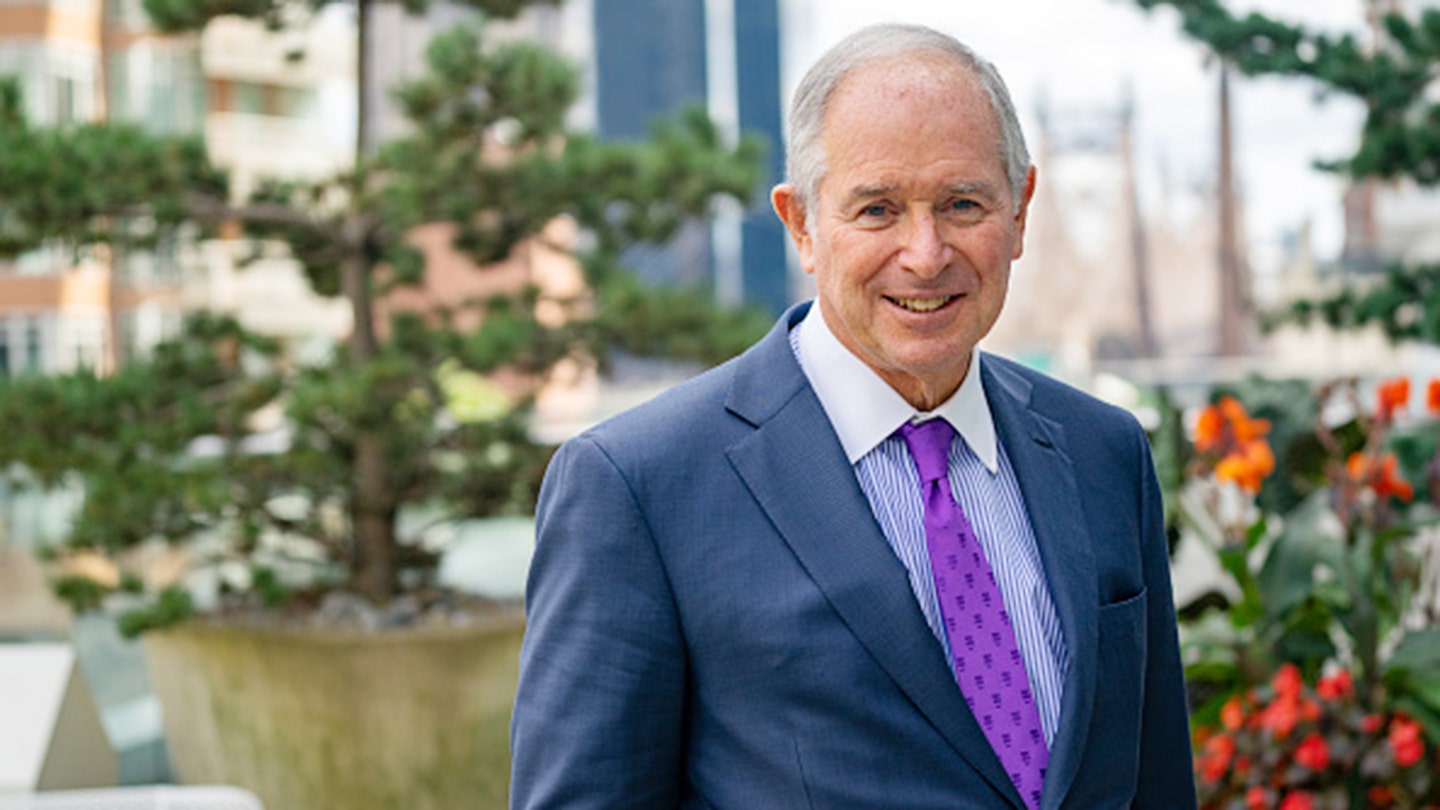
Stephen Schwarzman, the co-founder and CEO of Blackstone Group Inc., stands as a towering figure in the world of finance and investment. With an estimated net worth exceeding $40 billion, Schwarzman’s career not only epitomizes the rise of private equity but also highlights the importance of strategic foresight in capital markets. His journey from a middle-class upbringing to becoming one of the wealthiest and most influential individuals showcases a narrative of ambition, resilience, and visionary leadership.
Early Life and Education
Stephen Allen Schwarzman was born on February 14, 1947, in a Jewish family in Abington Township, Pennsylvania. His father, a flooring contractor, and his mother, a homemaker, instilled in him the values of hard work and perseverance. Growing up in a suburb of Philadelphia, Schwarzman displayed an early aptitude for academics and leadership.
He attended Abington Senior High School, where he graduated with honors, and subsequently enrolled at Princeton University. Schwarzman excelled in his studies, earning a Bachelor of Arts degree in history in 1969. During his time at Princeton, he exhibited a blend of intellect and ambition, leading him to secure a scholarship to the prestigious Harvard Business School. He earned his MBA in 1972, further sharpening the skills that would later prove critical in his career.
Early Career
Schwarzman’s professional journey began at The investment bank of Donaldson, Lufkin & Jenrette, where he primarily focused on mergers and acquisitions. However, in 1975, he took a pivotal step that would change the trajectory of his career: he joined Lehman Brothers as a managing director. Here, his analytical acumen and strategic insights gained widespread recognition.
Schwarzman eventually crossed paths with Peter Peterson, a senior executive at Lehman Brothers. This partnership would prove instrumental in shaping both their futures. In 1985, the duo decided to leave Lehman Brothers and establish their own investment firm, paving the way for the birth of the Blackstone Group.
Founding Blackstone
Founded in 1985, Blackstone began as a mergers and acquisitions advisory firm. However, Schwarzman’s vision extended far beyond that initial scope. He recognized the potential of private equity investments and rapidly diversified Blackstone’s portfolio. Schwarzman pioneered the use of leveraged buyouts (LBOs), utilizing debt to acquire undervalued companies and then implementing operational improvements to increase their value.
Under his leadership, Blackstone swiftly became a dominant force in private equity. The firm’s inaugural fund in 1987 raised $400 million. Over the years, as Blackstone expanded its reach globally, its assets under management ballooned, surpassing the $650 billion mark by 2021. Schwarzman’s ability to identify lucrative investment opportunities while managing risk became the hallmark of Blackstone’s success.
Navigating Challenges
The journey was not devoid of challenges. In the early 2000s, the private equity landscape faced scrutiny amid regulatory changes and public skepticism. However, Schwarzman’s adept understanding of market dynamics allowed Blackstone to navigate these turbulent waters effectively. He emphasized transparency and founded initiatives to engage with investors, demonstrating the long-term value of private equity investments.
A defining moment in Schwarzman’s career arrived during the 2008 financial crisis. As many firms floundered, Blackstone capitalized on the situation by acquiring distressed assets at significantly reduced prices. Schwarzman’s foresight and strategic planning during this period solidified Blackstone’s reputation as a resilient player in the investment world.
Going Public and Expanding Horizons
In 2007, Schwarzman took the bold step of taking Blackstone public. The initial public offering (IPO) was one of the largest in history, raising approximately $4.13 billion. This move not only enhanced Blackstone’s stature but also allowed it to tap into new capital for further expansion. Schwarzman’s decision to go public underscored his belief in the firm’s enduring value and growth potential.
Beyond private equity, Schwarzman recognized the importance of diversifying Blackstone’s investment strategies. The firm expanded into real estate, credit, and hedge fund solutions, adapting to changing market dynamics while consistently delivering value to its investors. His strategic foresight positioned Blackstone as a multifaceted investment powerhouse, prepared to weather fluctuations in various sectors.
Philanthropy and Influence
A notable aspect of Schwarzman’s legacy is his commitment to philanthropy. He has donated significant funds to various educational institutions, research initiatives, and cultural organizations. In 2015, he pledged **$150 million** to support the establishment of the Schwarzman Scholars program, which aims to enhance educational exchange between the United States and China. This initiative reflects his belief in fostering global understanding and cooperation.
Schwarzman is also a prominent figure in public policy discussions. He has been involved in shaping dialogues around economic policies and initiatives that promote sustainable growth. His influence extends beyond finance, contributing to conversations on education, innovation, and technology.
Personal Life
Despite the immense pressures of running a global investment firm, Schwarzman maintains a balance between his professional and personal life. He is married to Christine Schwarzman, and they have three daughters. The family resides in New York City, where they engage in various philanthropic endeavors and cultural pursuits.
Schwarzman is known for his love of art and has amassed an impressive art collection over the years. He serves on the boards of several prestigious institutions, further reflecting his commitment to education and the arts.
Conclusion
Stephen Schwarzman’s journey from a young boy in Pennsylvania to the architect of Blackstone’s empire illustrates a remarkable narrative of vision, resilience, and innovation. His mastery in private equity has transformed the investment landscape, influencing countless sectors and investors around the globe.
As a trailblazer in finance, Schwarzman not only built a billion-dollar empire but also demonstrated the significance of leadership characterized by strategic foresight and social responsibility. His legacy is one of both financial success and a commitment to giving back, ensuring that the impact of his work reverberates beyond the realm of finance and into the lives of future generations. In a world characterized by constant change, Stephen Schwarzman remains a beacon of insight and inspiration, reshaping the dynamics of investment and philanthropy in profound and meaningful ways.