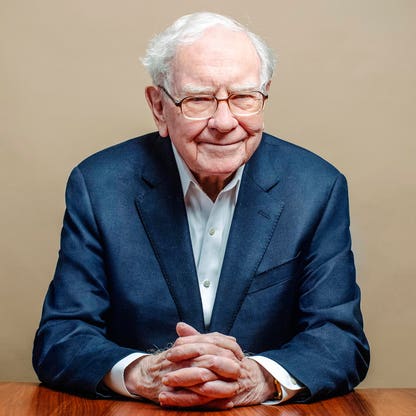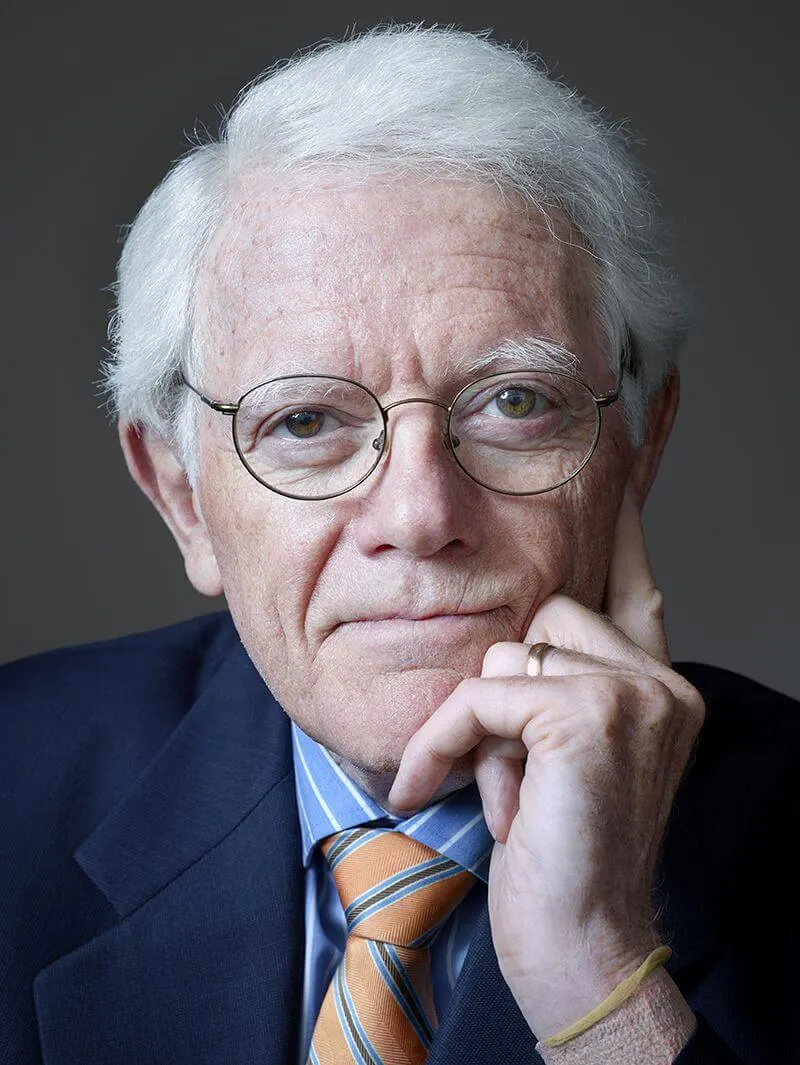
Jamie Dimon stands as one of the most influential figures in global finance, a titan whose leadership has shaped the trajectory of banking in the 21st century. His journey from a young, ambitious student to the helm of one of the world’s largest financial institutions is a story of resilience, strategic vision, and an unyielding commitment to innovation and stability in an often volatile industry.
Early Life and Education
Born on March 13, 1956, in New York City, Jamie Dimon was raised in a family with deep roots in the financial sector. His father, Theodore Dimon, was a Wall Street stockbroker, and this early exposure to the world of finance ignited Jamie’s interest in business and economics. Growing up in a supportive environment that valued education and ambition, Dimon excelled academically.
He attended Tufts University, where he earned a Bachelor of Arts degree in psychology and economics. His academic prowess and keen interest in finance led him to Harvard Business School, where he earned his MBA. At Harvard, Dimon distinguished himself not only through his academic achievements but also by building a network of relationships that would prove invaluable throughout his career.
Early Career and Rise Through the Ranks
Dimon’s professional journey began at American Express, where he worked alongside Sandy Weill, a legendary figure in banking. This relationship would be pivotal. When Weill moved to build what would become Citigroup, Dimon followed, gaining critical experience in mergers and acquisitions and corporate strategy.
In 1998, Dimon was appointed president of Travelers Group, which merged with Citicorp to form Citigroup. However, his tenure at Citigroup was short-lived; in 1998, he was forced out due to a power struggle with then-CEO Sandy Weill. This setback, rather than derailing his career, became a defining moment that showcased Dimon’s resilience and determination.
Leadership at Bank One and JPMorgan Chase
After leaving Citigroup, Dimon took the helm at Bank One in 2000 as CEO. Under his leadership, Bank One underwent a remarkable transformation, improving profitability and operational efficiency. His success caught the attention of JPMorgan Chase, which acquired Bank One in 2004. Dimon was appointed president and chief operating officer of JPMorgan Chase, and in 2005, he became its CEO.
Dimon’s leadership at JPMorgan Chase coincided with one of the most turbulent periods in financial history—the 2008 global financial crisis. Unlike many of his peers, Dimon navigated the crisis with a steady hand, leveraging JPMorgan’s relatively strong balance sheet to acquire distressed assets and competitors, including the purchase of Bear Stearns and Washington Mutual. His strategic decisions not only saved JPMorgan Chase but also positioned it as a dominant force in banking.
Vision and Influence
Jamie Dimon is widely recognized for his forward-thinking approach to banking. He has been a vocal advocate for regulatory reform, emphasizing the need for a balanced approach that ensures financial stability without stifling innovation. Dimon’s annual letters to shareholders are closely watched for insights into the banking industry and the broader economy, reflecting his deep understanding of market dynamics and global trends.
Beyond his corporate responsibilities, Dimon has played a significant role in public policy discussions, advising government officials and participating in initiatives aimed at economic recovery and financial system reform. His influence extends beyond JPMorgan Chase, shaping the direction of the banking industry worldwide.
Challenges and Controversies
Dimon’s career has not been without controversy. JPMorgan Chase has faced legal challenges and regulatory scrutiny, including the infamous “London Whale” trading loss in 2012, which cost the bank billions. Dimon took responsibility publicly and implemented changes to strengthen risk management practices. These episodes highlight the complexities of leading a global financial institution and Dimon’s willingness to confront challenges head-on.
Personal Life and Legacy
Jamie Dimon is known for his disciplined lifestyle and commitment to fitness, often emphasizing the importance of health in sustaining long-term leadership. He is married to Judith Kent, and they have three children. Despite his high-profile career, Dimon maintains a relatively private personal life.
His legacy is one of transformation and resilience. From navigating corporate power struggles to steering JPMorgan Chase through economic storms, Dimon’s career exemplifies the qualities of a visionary leader who adapts to change while maintaining a steady course. His impact on banking and finance will be studied for generations as a blueprint for leadership in complex, high-stakes environments.
In summary, Jamie Dimon’s biography is a testament to the power of perseverance, strategic insight, and leadership in shaping not only a company but an entire industry. His story continues to unfold, reflecting the evolving landscape of global finance and the enduring influence of one of its most formidable architects.