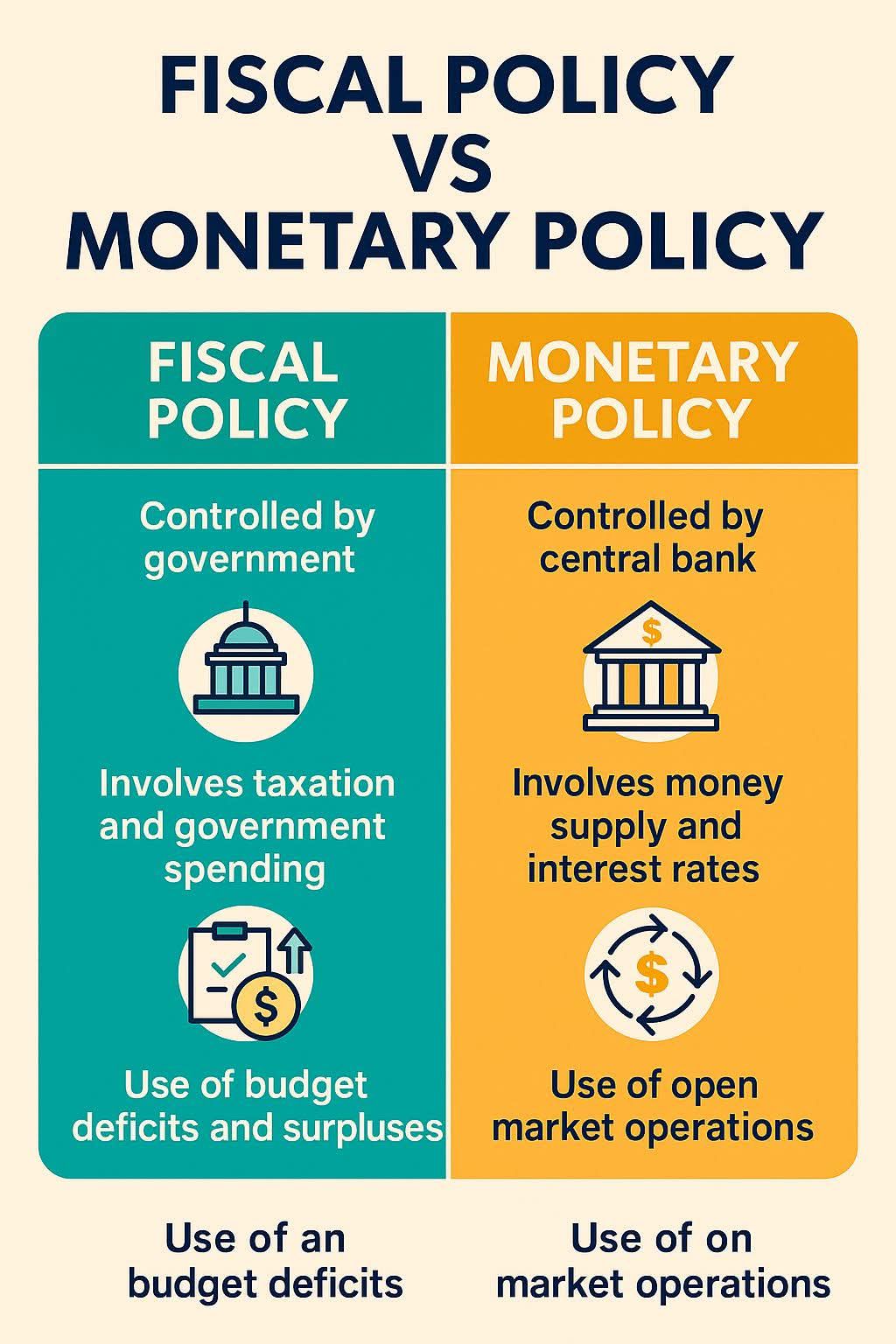
Think of interest rates as the “price of time.” When the Federal Reserve or a central bank moves the needle on rates, it sends a pulse through every corner of the global economy. This mechanism is the primary tool used to balance the scales between inflation and growth.
When interest rates are low, borrowing is cheap. This encourages businesses to take out loans to expand and consumers to take out mortgages to buy homes. This “stimulus” pumps money into the economy, but if it gets too hot, it leads to inflation as too many dollars chase too few goods.
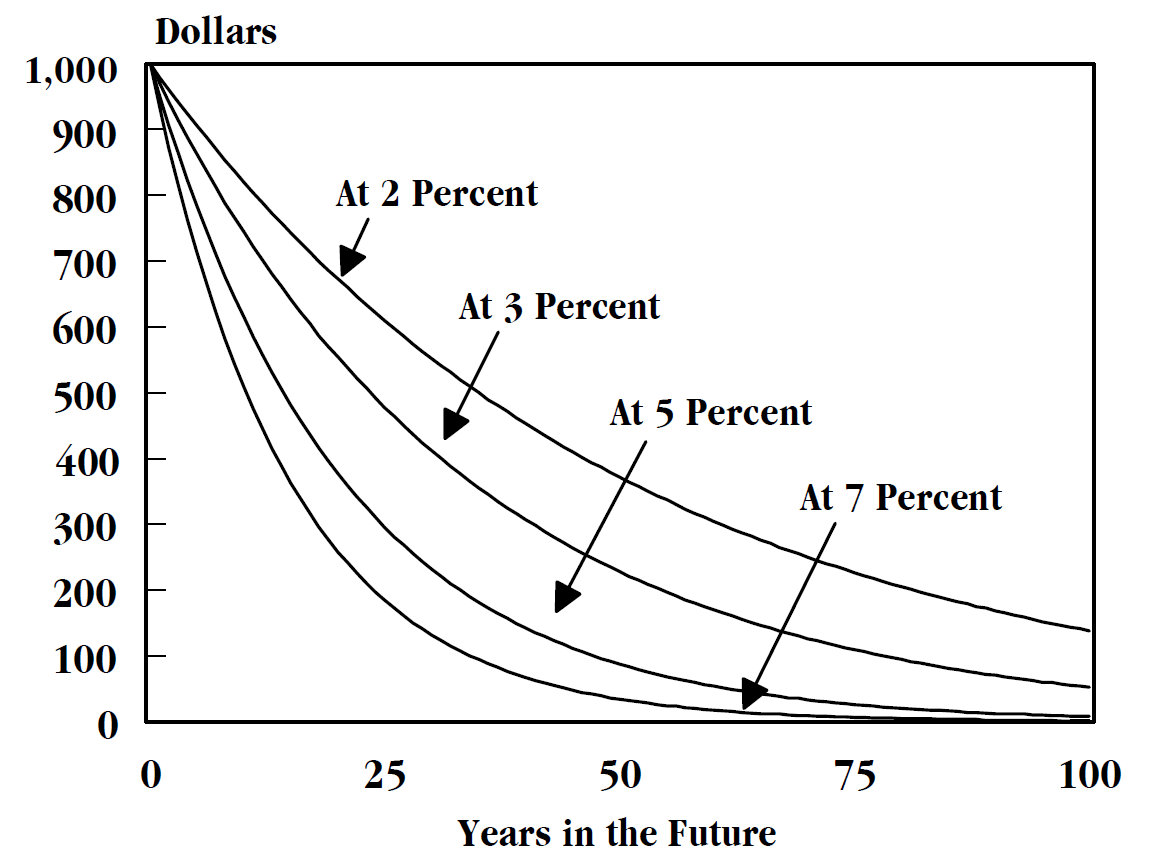
Conversely, when rates rise, the brakes are applied. Credit cards become more expensive, mortgage payments jump, and businesses reconsider new projects. This reduces demand, which helps cool down rising prices. But there’s a catch: high rates often lead to a “cooling” of the stock market. Because investors can get a decent return on “safe” assets like bonds, they are less willing to pay high prices for “risky” assets like stocks.
From the price of your groceries to the value of your 401(k) and the rent you pay, interest rates are the invisible gravity governing the financial universe. They are the ultimate lever, capable of creating eras of prosperity or triggering necessary recessions to reset the system.