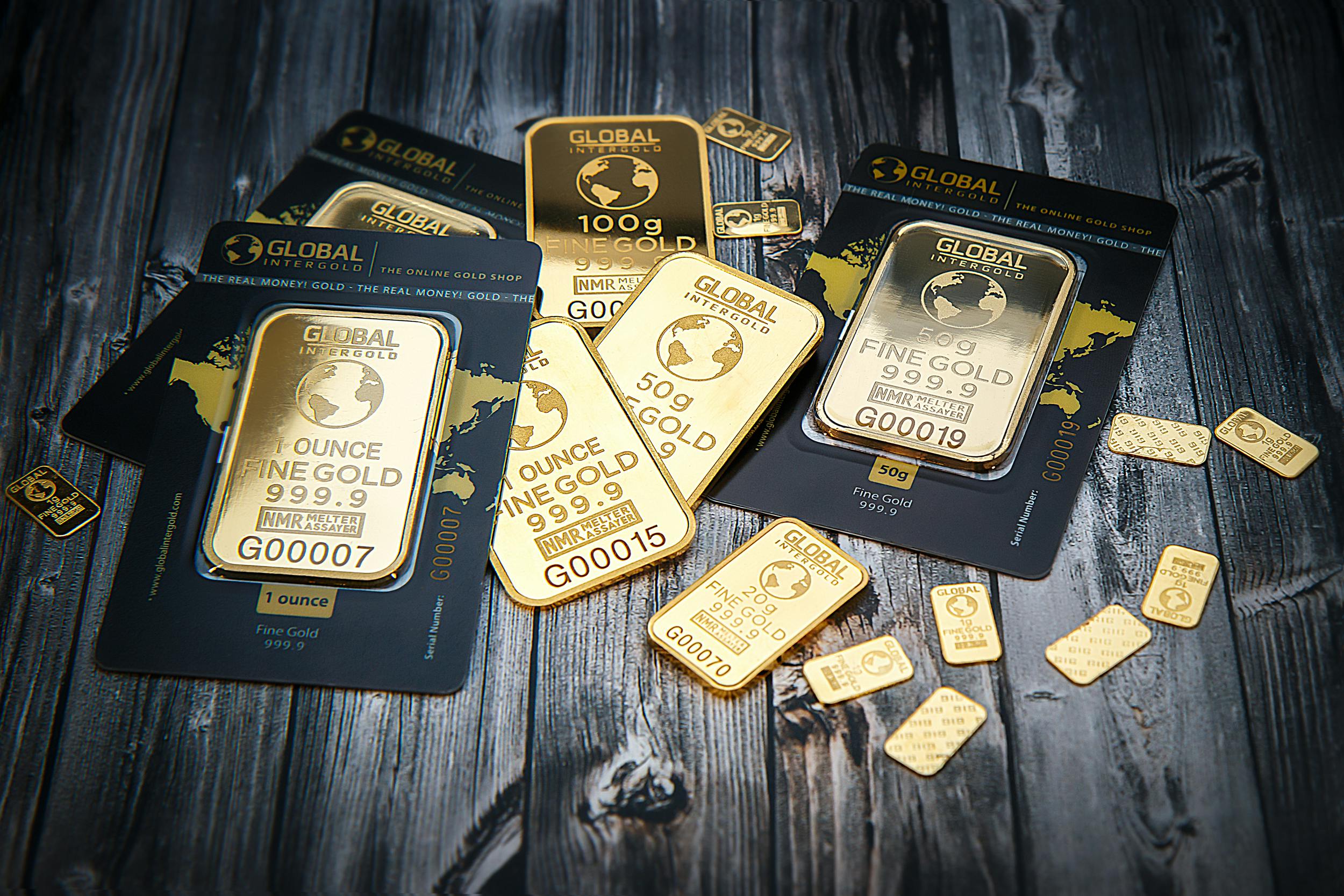
In January 2026, global metals markets delivered one of the most dramatic boom-and-bust moves in decades. Gold surged past $5,000 an ounce, silver briefly topped $120, and industrial metals like copper hit record highs. Then, almost overnight, prices collapsed—gold suffered its biggest single-day drop on record and silver plunged more than 30%. The violent reversal reflects a powerful mix of macroeconomic fears, speculative momentum, geopolitics, and a sudden shift in U.S. monetary policy expectations.
What Drove the Metal Price Surge
The rally in precious and industrial metals was fueled by what analysts have dubbed the “debasement trade.” Investors piled into hard assets to protect against what they see as a growing risk of currency debasement and inflation driven by soaring government debt. According to Yahoo Finance, gold’s move above $5,000 became a symbol of this trend, as markets increasingly feared that governments may attempt to inflate away massive debt burdens. The surge was described by Brookings Institution fellow Robin Brooks as “breathtaking and profoundly scary,” warning that it reflects deeper anxiety about a looming global debt crisis.
A weakening U.S. dollar amplified the rally. The dollar index had been trending lower, boosting demand for dollar-priced commodities by making them cheaper for non-U.S. buyers. Expectations that U.S. policymakers would tolerate or even encourage a softer dollar further strengthened the appeal of metals as a hedge against currency erosion. Goldman Sachs raised its gold price targets, citing strong private-sector demand for portfolio diversification amid policy uncertainty.
Geopolitics also played a key role. Tensions involving U.S. actions abroad, tariff threats, and broader global instability increased demand for traditional safe-haven assets. Each major geopolitical headline appeared to push gold and silver higher, reinforcing the perception that hard assets offered protection against political and financial shocks.
At the same time, industrial demand added fuel—especially for copper and silver. The rapid build-out of AI infrastructure, data centers, electrification projects, and renewable energy systems has driven expectations of long-term shortages in key metals. This “supercycle” narrative encouraged speculative inflows, pushing prices into near-parabolic territory.
Why Prices Suddenly Crashed
The catalyst for the sudden reversal came from U.S. monetary policy politics. On January 30, President Donald Trump announced that he would nominate Kevin Warsh as the next chair of the Federal Reserve. Markets interpreted Warsh—widely seen as more hawkish and supportive of a stronger dollar—as a signal that aggressive rate cuts and political pressure on the Fed might be less likely.
The result was a sharp rebound in the U.S. dollar, which immediately undercut metals prices. Gold fell roughly 10–12% in a single day, while silver plunged more than 30%, marking one of its steepest declines since 1980. CNBC reported that the move reflected a rapid shift in expectations toward tighter or more disciplined monetary policy, reducing the appeal of non-yielding assets like gold and silver.
Investors also rushed to take profits after months of extraordinary gains. Over the prior year, gold had surged about 90% and silver more than 200%, making the market vulnerable to a sharp correction once sentiment turned. The nomination eased fears of Fed politicization, calming some of the extreme inflation and currency-debasement concerns that had driven the rally.
A Market Driven by Sentiment as Much as Fundamentals
The episode highlights how modern metals markets are increasingly shaped by macro narratives and investor psychology, not just physical supply and demand. The rally was powered by fears of debt, inflation, and dollar weakness, while the crash was triggered by a single policy signal that reversed those expectations.
While long-term fundamentals—such as electrification and AI-driven demand—may still support higher prices for some metals, the January 2026 swing shows how fragile parabolic rallies can be. In today’s environment, metals are not just commodities; they are macro bets. And when the macro story changes, prices can turn just as fast as they rise.