Economic debates often focus on inflation, interest rates, or technology. Yet one of the most powerful forces shaping long-term outcomes is far quieter: demographics.
Population size, age structure, and fertility rates influence growth, debt sustainability, labor markets, and even geopolitics. In many ways, demographics set the boundaries within which policy operates.
The Aging World
Most advanced economies are aging rapidly.
- Fertility rates have fallen below replacement levels
- Life expectancy has increased
- The working-age population is shrinking
Countries like Japan, South Korea, Italy, and Germany are already experiencing this shift. China, once a demographic powerhouse, is now aging faster than almost any country in history.
An aging population means:
- Slower labor force growth
- Higher healthcare and pension costs
- Lower potential GDP growth
Emerging Markets Aren’t Immune
While parts of Africa and South Asia remain young, fertility rates are falling there too—often faster than expected. Urbanization, education, and rising living costs reduce birth rates across income levels.
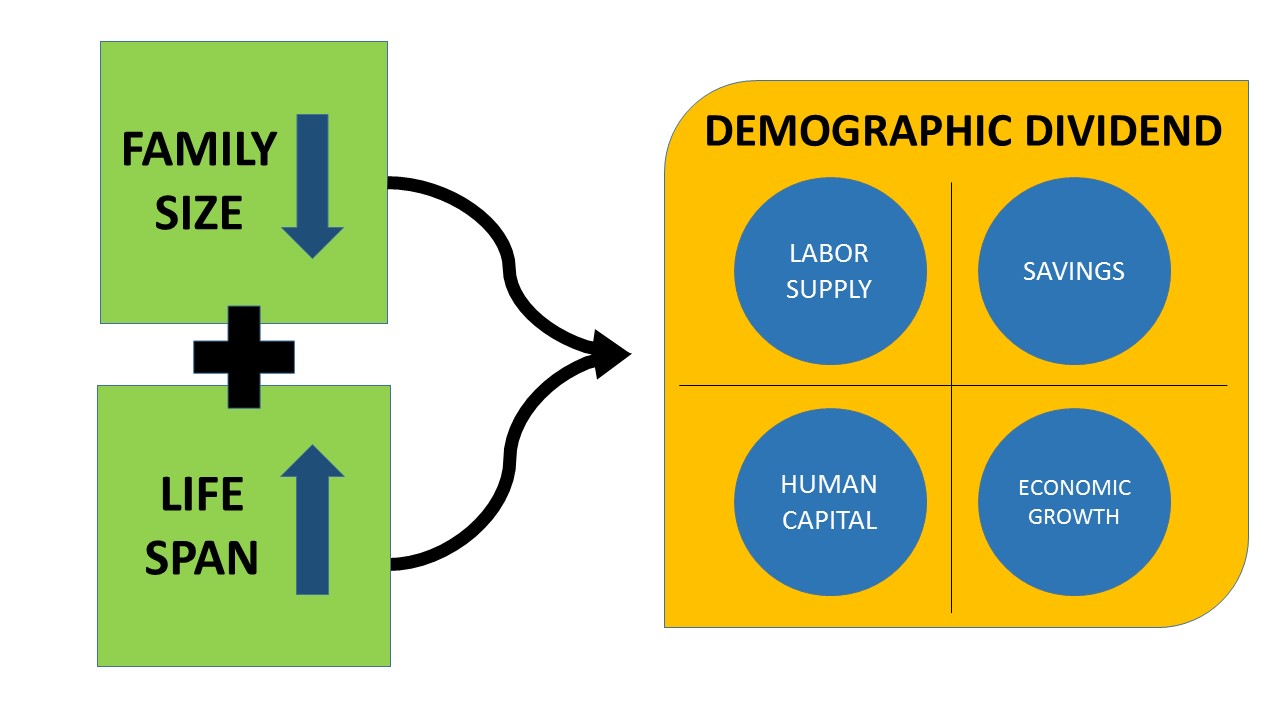
This challenges the idea that developing countries can rely indefinitely on a “demographic dividend.”
Why Immigration Matters
For aging societies, immigration becomes an economic necessity rather than a political choice. Migrants:
- Expand the labor force
- Support tax bases
- Offset dependency ratios
Yet immigration is also politically contentious, creating a gap between economic need and public acceptance.
Technology vs Demographics
Some argue automation and AI can offset aging. While technology helps, it rarely fully replaces:
- Care work
- Social services
- Demand driven by population size
Technology can raise productivity, but it cannot easily reverse demographic arithmetic.
Bottom Line
Demographics don’t determine outcomes—but they constrain choices. Countries that recognize and adapt to demographic realities through immigration, productivity growth, and institutional reform will fare better than those that ignore them. In the long run, population trends shape the economic game board more than any single policy decision.