If the economy is the weather, Asset Classes are your gear. You wouldn’t wear a surgical gown to a rainy football match, and you shouldn’t put all your money into a single type of “Equipment.”
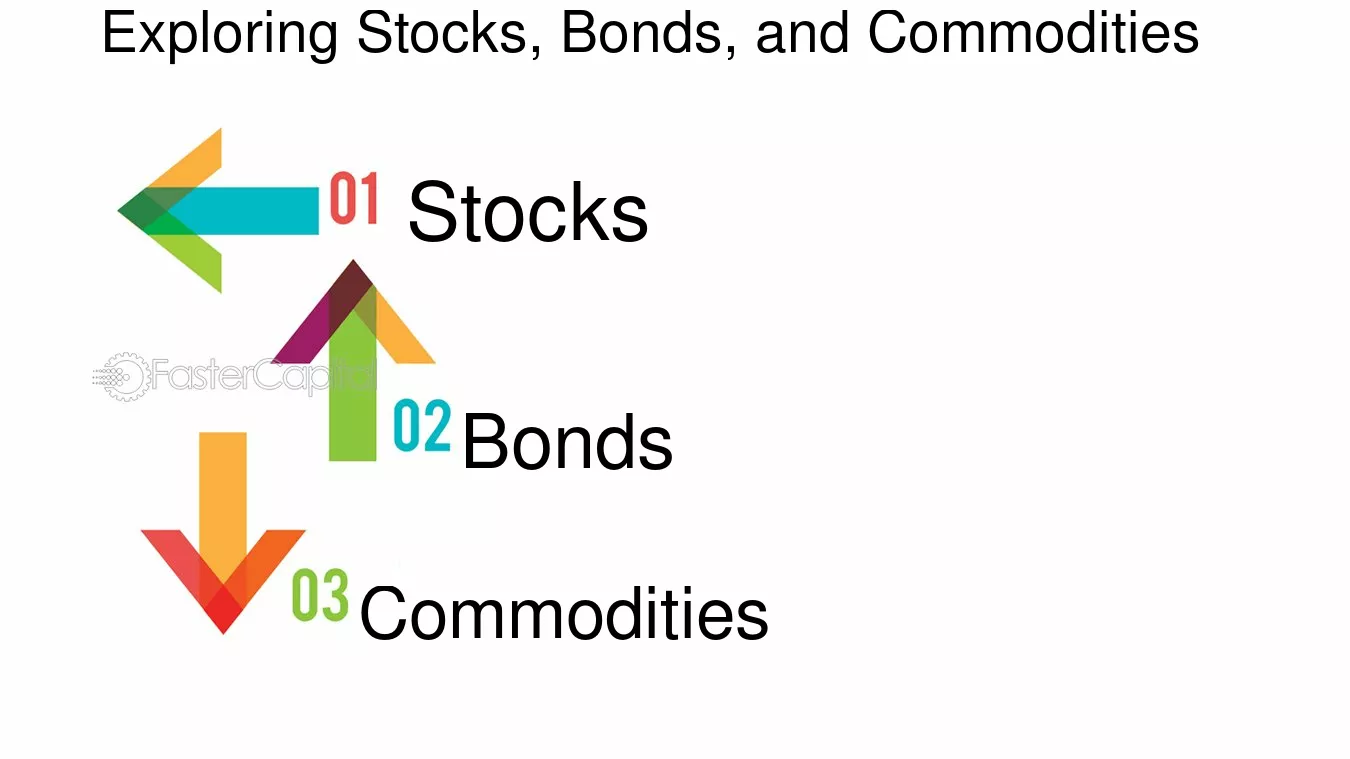
1. Stocks (Equities): The Growth Engine
When you buy a Stock, you are buying a piece of a company’s future. If the company prospers, you own a slice of that prosperity.
-
The Reward: High potential for long-term growth and “Dividends” (a share of the profits).
-
The Risk: If the company fails, you are last in line to get paid. Stocks are the most “forward-looking” and volatile gear you can own.
2. Bonds (Fixed Income): The Safety Net
A Bond is a loan. You are the lender, and a government or corporation is the borrower. They promise to pay you back your “Principal” plus a set amount of interest (the “Coupon”).
-
The Reward: Predictable, steady income.
-
The Risk: “Interest Rate Risk.” If rates go up, your old bond with a lower rate becomes less valuable. However, in a “Bust,” bonds are usually the “Dignified” place to hide while stocks are falling.
3. Commodities: The Raw Material
Commodities are the “stuff” the world is made of: gold, oil, wheat, and copper. Unlike stocks or bonds, commodities have “Fixed Utility”—you can burn oil or eat wheat.
-
The Reward: Inflation Protection. When the dollar loses value, the price of “stuff” usually goes up. Commodities often move differently than stocks, providing a “cushion” for your portfolio.
-
The Risk: High volatility. A sudden shift in “Policy Capture” or a geopolitical event can crash commodity prices overnight.
Successful investing isn’t about picking the “best” one; it’s about Asset Allocation. You need the growth of stocks, the stability of bonds, and the inflation-hedging of commodities to survive a full Business Cycle.