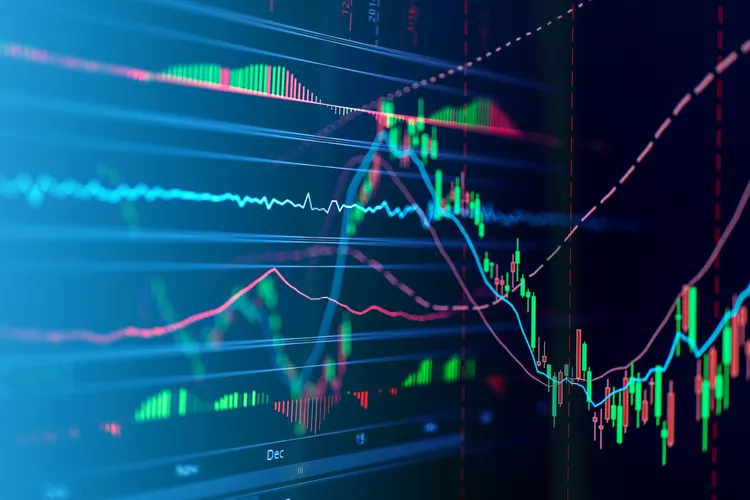
There is a certain surrealism in the air these days, much like a Haruki Murakami novel where a character realizes the sun is rising in the west. In the old textbooks—the ones I used to teach with a certain naive confidence—the stock market was a “Forward-Looking” machine. It was a collective psychic, pricing in the future earnings of corporations and the health of the global economy. But today, the market feels less like a psychic and more like a captured bird in a gilded cage, singing only when the “Policy Maker” provides the seed.
The Death of Price Discovery
The fundamental purpose of a market is Price Discovery. This is the process where buyers and sellers meet to determine the “true” value of an asset based on its utility and scarcity. In a healthy market, the price is a signal. If the price of oil goes up, it tells the world to find more oil or use less of it.
However, we have entered an era of Policy Capture. This occurs when the “Price Signal” is no longer a reflection of the real economy, but a reflection of Central Bank intervention. Since 2008, and with aggressive acceleration in 2020-2024, the “Cost of Money” (interest rates) has been manipulated to such a degree that the signal is now mostly noise. When the Federal Reserve or the European Central Bank prints trillions to buy bonds, they aren’t “discovering” a price; they are “dictating” one.
The Surgeon’s Adrenaline: A False Vitality
For my friend the surgeon, consider a patient in the ICU. Their blood pressure is 120/80—perfect on paper. But they are on a massive dose of vasopressors. Is the patient “healthy”? No. The numbers are “Policy-Captured” by the medication. If you pull the drip, the patient collapses.
The global markets are currently on a “Liquidity Drip.” When investors look at the “forward” horizon, they aren’t looking at “Innovation” or “Productivity” in the tech sector; they are looking at the “Fed Pivot.” They are trying to guess when the next dose of adrenaline will be administered. This is not forward-looking behavior; it is “Reactionary Gambling.”
The Cantillon Effect and the Neighborhood
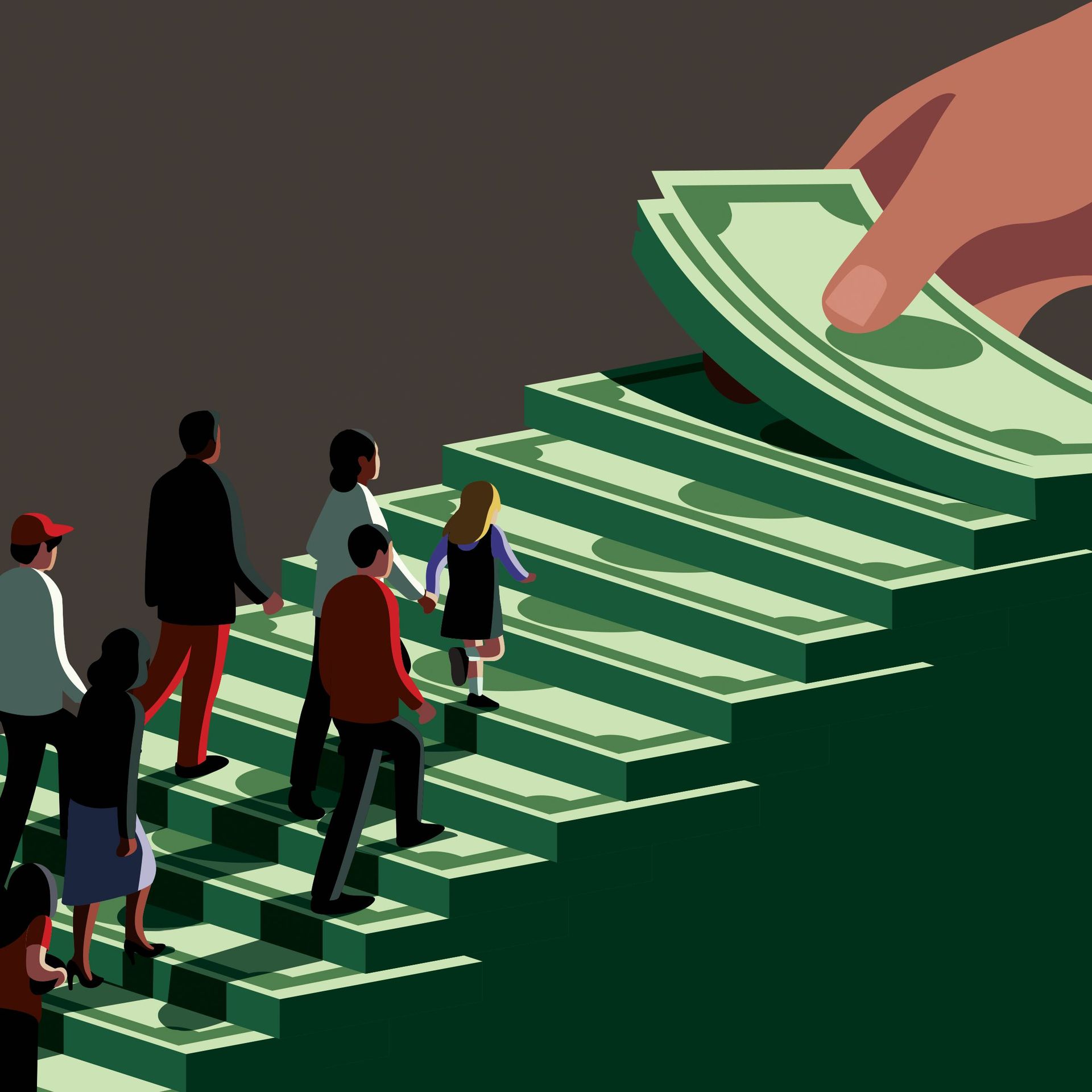
Why does this matter to Mojumdar at the tea stall? It matters because of the Cantillon Effect. This peer-reviewed economic concept suggests that money is not neutral. When the government creates “New Money” to support the markets, that money doesn’t enter the system evenly. It enters through the financial centers—the banks and the hedge funds.
These entities get to spend the “New Money” while prices are still low. By the time that money trickles down to the neighborhood to buy eggs or tea, inflation has already driven the prices up. The market “looks forward” to the new money and rallies, while the real economy “looks backward” at the rising cost of living. This decoupling is the ultimate symptom of capture. The market is pricing in Liquidity, while the people are experiencing Scarcity.
The Math of the “Risk-Free” Illusion
In a normal world:
Where is the “Risk-Free Rate.” But when is manipulated or held artificially low to service government debt, the “Value” (the numerator) becomes irrelevant because the “Discount Rate” (the denominator) is a fiction. This leads to Moral Hazard—the “Policy-Captured” belief that “The Big Players” will never be allowed to fail.
As a result, capital flows not to the most productive companies, but to the most connected ones. We see “Zombie Companies” that shouldn’t exist, kept alive by cheap debt, while the brilliant young entrepreneur in the neighborhood can’t get a loan because the banks are too busy playing the “Policy Capture” game.
Observation
We are walking through a shopping mall where all the clocks have stopped, yet everyone is still rushing to be on time. The markets are hitting “All-Time Highs” while global productivity growth is a whisper. This is the surrealism of 2026.
The market has stopped being a tool for “Prosperity” and has become a tool for “Stability Control.” It is no longer a forward-looking psychic; it is a policy-captured hostage. And as any observant neighbor will tell you, a hostage’s song is never quite the same as a bird’s song in the wild.