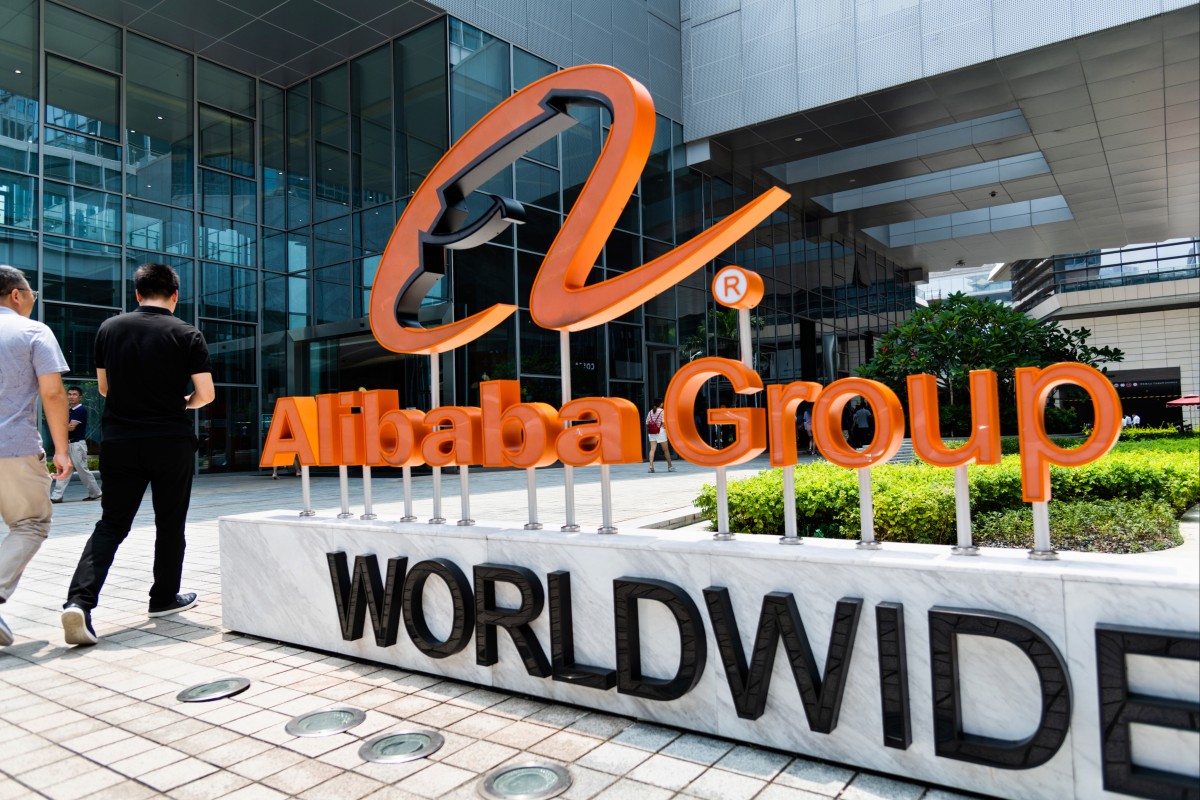
In the late 2010s, Alibaba was often hailed as the “Amazon of the East.” It was the undisputed titan of a digital empire that spanned e-commerce (Taobao/Tmall), cloud computing (Alibaba Cloud), and a massive fintech arm (Ant Group). Its success was a masterclass in Platform Economics: the art of creating a friction-less digital ecosystem where millions of buyers and sellers interacted, with Alibaba acting as the essential infrastructure—collecting a “toll” on every transaction, advertisement, and data point generated.
However, as we move through 2026, the Alibaba story has become a cautionary tale about the limits of platform power in a state-led economy. The “moat” that once seemed impenetrable has been fundamentally redesigned by regulatory force.
The Architecture of the Crackdown: “Unbundling” the Giant
The 2020s marked the end of the “wild west” era for Chinese Big Tech. The central government, concerned by what it termed the “disorderly expansion of capital,” launched a series of anti-monopoly interventions that dismantled the very core of Alibaba’s platform advantages.
1. The End of Exclusivity (“Choose One of Two”)
For years, Alibaba utilized a practice known as “er xuan yi” (choose one of two), effectively barring high-volume merchants from listing products on rival platforms like JD.com or Pinduoduo. In 2021, regulators imposed a record-breaking $2.8 billion fine and mandated an end to these exclusivity requirements.
-
The Market Impact: By 2026, this has shifted the e-commerce landscape from a winner-take-all monopoly to a hyper-competitive battleground. Alibaba can no longer rely on captive supply; it must now compete on service quality and price—a shift that has permanently compressed its domestic retail margins.
2. The Great Unbundling
Alibaba’s true power lay in its “all-in-one” ecosystem. You searched on Taobao, paid with Alipay (Ant Group), and your data fed into Alibaba Cloud. The state viewed this cross-pollination as a systemic risk. Today, Alibaba has been forced to “unbundle.” Ant Group was restructured into a financial holding company under central bank supervision, effectively severing the “meaningful” data-sharing loop that gave Alibaba its predictive edge over consumer behavior.
The 2026 Pivot: The “1+6+N” Structure
To survive in this “New Normal,” Alibaba underwent the most significant restructuring in its history, splitting into six distinct business units. This “1+6+N” model (one holding company, six main groups, and multiple smaller ventures) was designed to make each unit more agile—but also more “regulatable.”
The Six Pillars (2026 Status):
-
Cloud Intelligence Group: The new “crown jewel.” In early 2026, it is pivoting toward “AI-First” infrastructure, investing over $50 billion in AI data centers to compete with global hyperscalers.
-
Taobao Tmall Commerce: The cash cow, but one that faces sluggish domestic demand and intense competition from “social commerce” giants like Douyin (TikTok’s sibling).
-
Local Services: Navigation (Amap) and food delivery (Ele.me).
-
Cainiao Smart Logistics: A global logistics backbone that is currently seeking independent listings to unlock value.
-
Global Digital Business: International platforms like Lazada and AliExpress, which are now Alibaba’s primary engine for “Market” expansion outside of China.
-
Digital Media & Entertainment: High-cost, low-margin units like Youku and Alibaba Pictures.
The “T-Head” Breakthrough: A National Champion Strategy
Perhaps the most significant development in 2026 is the planned IPO of T-Head (Pingtouge), Alibaba’s specialized chipmaking arm. In a move that signals a profound shift in priorities, Alibaba is framing T-Head not just as a corporate subsidiary, but as a “national champion” in the global semiconductor race.
By developing proprietary AI accelerators and RISC-V processors, T-Head is aligning Alibaba’s corporate goals with China’s national strategic objective of “technological self-reliance.” This alignment has earned the company a rare “thaw” in tensions with Beijing, as Alibaba moves from being a “distributor of goods” to a “builder of foundational tech.”
Analysis: Meaning vs. Market
The lesson for investors is clear: in the current era of global finance, a company’s “Meaning” (its social and strategic utility to the state) is now a primary determinant of its “Market” value.
| Metric | The “Amazon of the East” Era | The “Six Units” Era (2026) |
| Strategy | Monopolistic Ecosystem | Agile, Independent Units |
| Growth Engine | Domestic Consumer Spend | AI Infrastructure & Global Trade |
| Risk Profile | Regulatory Blindside | Policy Alignment / State Compliance |
| Valuation | “Growth at all costs” Premium | “Holding Company” Discount |
Conclusion
As of 2026, Alibaba is no longer a sprawling, uncontrolled platform. It is a disciplined holding company operating under a sophisticated regulatory framework. While its days of triple-digit growth are over, its pivot toward AI, semiconductors, and global logistics represents a strategic bet that its “moat” can be rebuilt—this time, with the state’s blessing rather than its scrutiny. The question for the next decade is whether this “disciplined” version of Alibaba can still innovate fast enough to stay relevant in a world dominated by AI.