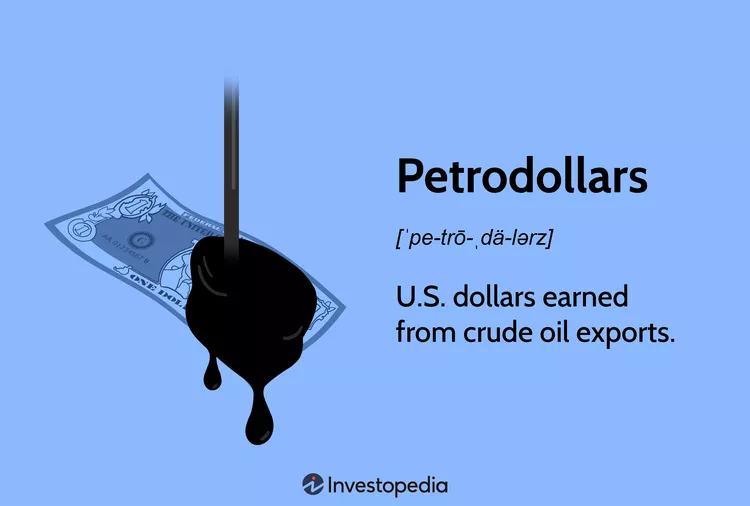
For decades, oil and the U.S. dollar have been tightly linked in a way that quietly supports America’s financial dominance. This system, commonly referred to as the “petrodollar system,” helps explain why the dollar remains the world’s primary reserve currency — even as U.S. debt rises and rivals like China push for alternatives.
What Is the Petrodollar System?
The petrodollar system dates back to the 1970s. After the U.S. abandoned the gold standard in 1971, the dollar needed a new anchor to maintain global demand. Following the 1973 oil shock, the U.S. struck a series of agreements with Saudi Arabia and other OPEC nations.
The core deal was simple:
-
Oil would be priced and sold globally in U.S. dollars
-
Oil exporters would recycle those dollars back into U.S. financial assets, especially Treasury bonds
-
In return, the U.S. would provide military protection and political support
This created a structural demand for dollars, regardless of U.S. trade balances.
Why Pricing Oil in Dollars Matters
Oil is the most important commodity in the global economy. Nearly every country imports it. When oil is priced in dollars, foreign governments and companies must hold dollar reserves to pay for energy.
That creates three powerful effects:
-
Permanent global demand for dollars
-
Lower borrowing costs for the U.S. government
-
Greater influence over the global financial system
In effect, energy trade helps export the dollar worldwide.
Recycling Petrodollars
Oil exporters don’t just sit on piles of cash. They invest their dollar earnings — historically by buying U.S. Treasury bonds, U.S. equities, and Western real estate.
This “petrodollar recycling” helps fund U.S. deficits. The U.S. can import more than it exports because foreign governments willingly hold U.S. debt as a reserve asset.
It’s one reason the U.S. has been able to sustain large fiscal and trade deficits without triggering a classic currency crisis.
Challenges to the System
In recent years, the petrodollar system has faced pressure:
-
China has pushed for oil contracts priced in yuan
-
Russia has reduced dollar usage after sanctions
-
Some countries explore settling energy trades in local currencies
However, inertia is powerful. The dollar still dominates oil markets because:
-
U.S. financial markets are deep and liquid
-
Dollar assets are considered safe and easy to trade
-
No alternative currency has comparable global trust
Why the Petrodollar Still Matters
Even if oil is no longer the only anchor of dollar dominance, it remains a key pillar. The system reinforces the dollar’s role as:
-
The main reserve currency
-
The primary trade settlement currency
-
The foundation of global liquidity
In short, oil doesn’t just fuel cars and factories — it helps fuel America’s financial power.