Is Globalization Really Ending?
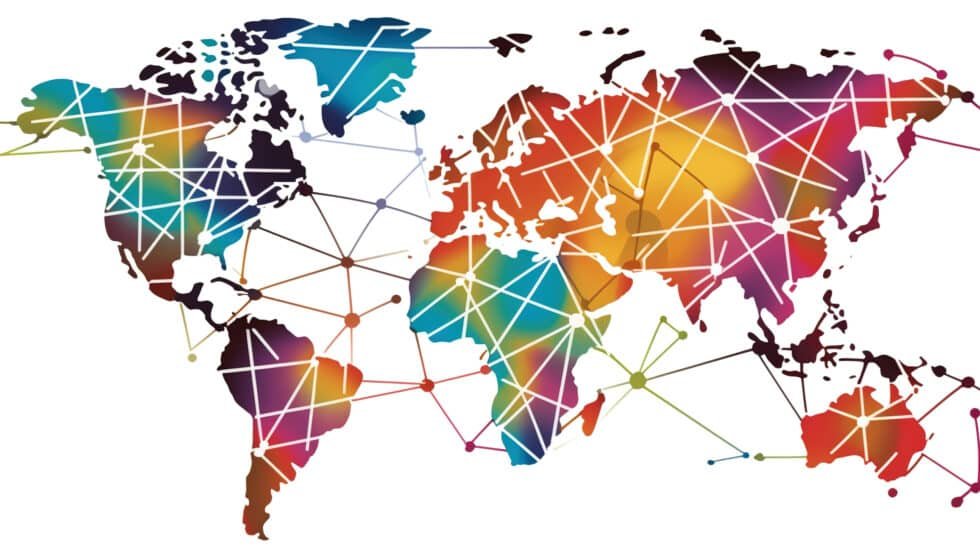
For decades, globalization followed a simple logic: produce wherever it’s cheapest, sell everywhere. That model delivered lower prices, higher efficiency, and deeply interconnected supply chains. But over the past few years, a new narrative has taken hold—deglobalization. Trade wars, pandemics, geopolitical tensions, and national security concerns have forced countries and firms to rethink how global their supply chains should be.
Yet the data suggests something more nuanced is happening. Rather than a full retreat from globalization, the world may be shifting toward friend-shoring.
What Deglobalization Gets Right
There is real evidence that the hyper-globalization of the 1990s and 2000s has peaked.
- Global trade as a share of GDP has largely plateaued
- Cross-border investment flows have become more selective
- Governments now treat supply chains as strategic assets
The COVID-19 pandemic exposed how fragile just-in-time production could be. Semiconductor shortages, medical supply bottlenecks, and energy disruptions turned efficiency into vulnerability. At the same time, rising U.S.–China tensions made economic interdependence look like a geopolitical risk rather than a stabilizer.
These forces have pushed firms to diversify suppliers, shorten supply chains, and accept higher costs in exchange for resilience.
Why This Isn’t Full Deglobalization
Despite the rhetoric, globalization is not collapsing. It is re-routing.
Trade volumes remain high, multinational corporations are still global, and cross-border data flows continue to surge. What’s changing is who trades with whom.
Instead of offshoring to the cheapest location regardless of politics, firms increasingly prefer:
- Politically aligned countries
- Stable regulatory environments
- Strategic partners
This is the essence of friend-shoring.
Friend-Shoring in Practice
Friend-shoring shifts production from geopolitical rivals to allies or neutral partners. Examples include:
- Manufacturing moving from China to Vietnam, India, and Mexico
- Semiconductor supply chains consolidating around the U.S., Japan, South Korea, and Taiwan
- Energy trade re-aligning along political blocs
This model trades some efficiency for predictability. Costs may rise, but risks are better managed.
Who Wins and Who Loses
Friend-shoring benefits countries that are:
- Politically aligned with major economic powers
- Large enough to absorb redirected investment
- Institutionally stable
It hurts countries caught between blocs or heavily dependent on a single export relationship.
Bottom Line
Globalization is not ending—it’s becoming selective. The future will be less about open markets everywhere and more about trusted networks. Efficiency is no longer the only objective; resilience and geopolitics now shape economic decisions.