A Cross-Country Analysis Since 1995
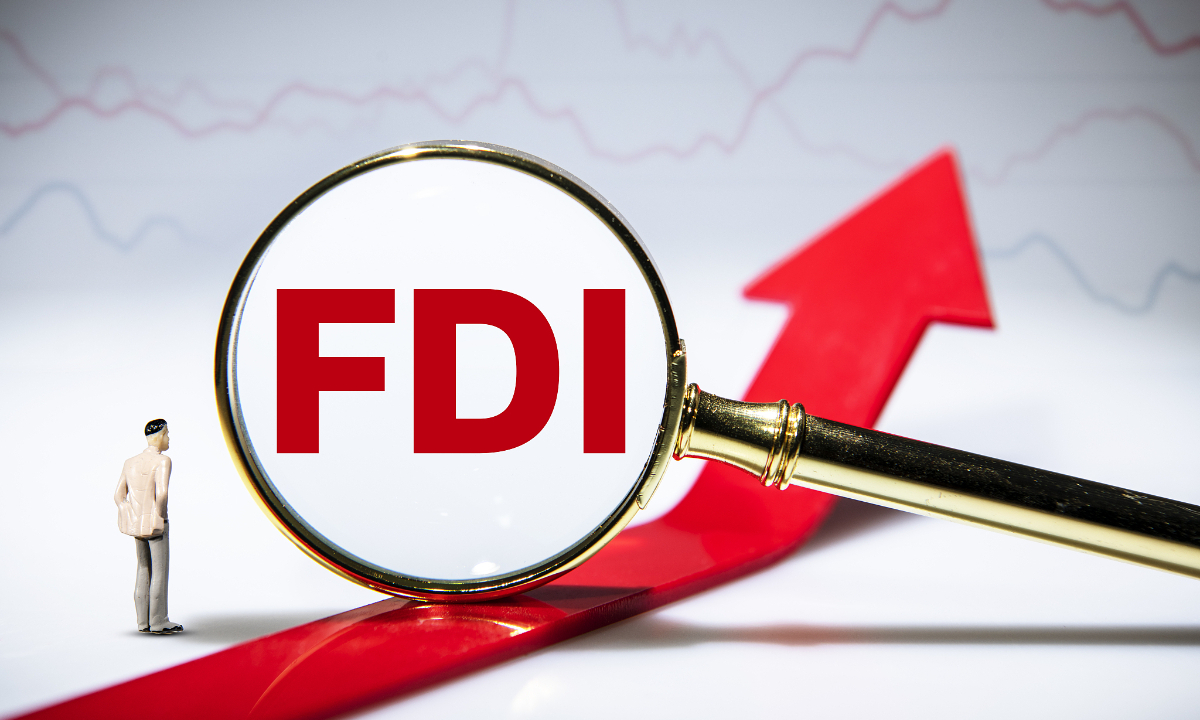
Foreign direct investment (FDI) is often presented as a development silver bullet. Policymakers court multinational firms with tax breaks, free land, and deregulation, hoping capital inflows will spark growth, jobs, and technology transfer.
But after 30 years of data across developing economies, the results are far more conditional than the headlines suggest.
The Promise of FDI
FDI is attractive because it theoretically brings:
- Capital
- Managerial expertise
- Technology
- Access to global markets
Between 1995 and 2023, FDI flows to developing countries increased more than fourfold, driven by globalization, supply-chain expansion, and emerging market reforms.
Yet growth outcomes varied dramatically.
FDI and GDP Growth: The Big Picture
Cross-country regressions show a positive but weak average relationship between FDI inflows and GDP growth.
Countries like:
- China
- Vietnam
- Poland
- Ireland (earlier period)
Used FDI as a growth accelerator.
Others experienced:
- Limited spillovers
- Enclave development
- Profit repatriation with minimal domestic impact
The difference lies in absorptive capacity.
Institutions Matter More Than Inflows
Data consistently shows that FDI boosts growth only when certain conditions exist:
1. Human capital
Countries with higher education levels gain more technology spillovers.
2. Financial development
Local firms need access to credit to integrate into supply chains.
3. Strong institutions
Property rights, contract enforcement, and rule of law determine whether FDI embeds or extracts.
Without these, FDI often becomes isolated islands of productivity.
Sectoral Composition Is Critical
FDI into:
- Manufacturing
- Export-oriented industries
- Technology services
Shows much stronger growth effects than FDI into:
- Natural resources
- Real estate
- Enclave infrastructure
Resource-heavy FDI is often associated with volatility, inequality, and limited employment gains — a pattern visible across parts of Africa and Latin America.
The China Effect
China’s success with FDI is frequently cited — but rarely replicated.
China combined:
- Special economic zones
- Forced joint ventures (early years)
- Technology transfer requirements
- Massive infrastructure investment
Most developing countries lack the bargaining power or scale to replicate this model.
What the Data Actually Says
FDI is not a growth guarantee. It is an amplifier.
- Good policies → FDI accelerates growth
- Weak institutions → FDI delivers limited benefits
Countries that treated FDI as a complement to domestic development — not a substitute — saw the strongest outcomes.
Bottom Line
FDI does not cause growth automatically. It rewards preparedness. Policymakers chasing capital without investing in institutions often end up disappointed.