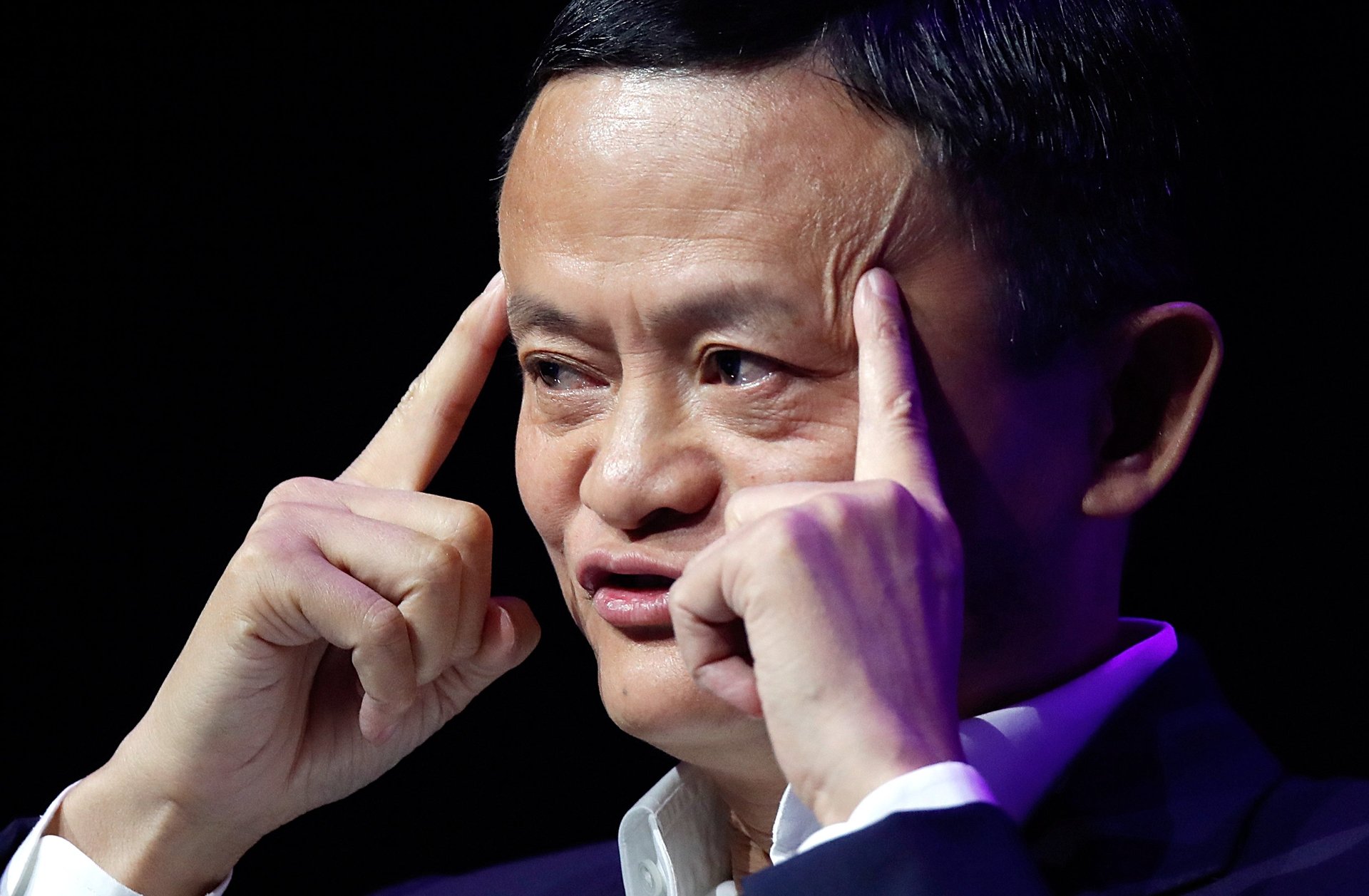
Jack Ma’s life is the quintessential “rags-to-riches” story of the digital age, yet it also serves as a cautionary tale of the friction between private innovation and centralized governance. From failing his university entrance exams three times to founding Alibaba in a small apartment, Ma became the global face of Chinese entrepreneurship. His vision was to empower “little guys”—small businesses—using the internet to bypass traditional gatekeepers.
The climax of Ma’s story occurred in 2020. His fintech arm, Ant Group, was on the verge of the world’s largest IPO. Ant had revolutionized finance in China, moving the country from a cash-based society to a mobile-first one. However, Ma’s outspoken nature led him to publicly criticize Chinese regulators for having a “pawnshop mentality.” The response was swift: the IPO was pulled, and a massive regulatory crackdown on the tech sector followed.
Ma’s subsequent retreat from the public eye marked a turning point in global business. It highlighted a fundamental reality of the Chinese market: no matter how innovative a company is, it must ultimately serve the goals of the state. Ma’s biography is a study of “structural power”—he built the infrastructure of modern Chinese life, but found that in a collision between a tech titan and a sovereign state, the state remains the ultimate arbiter.