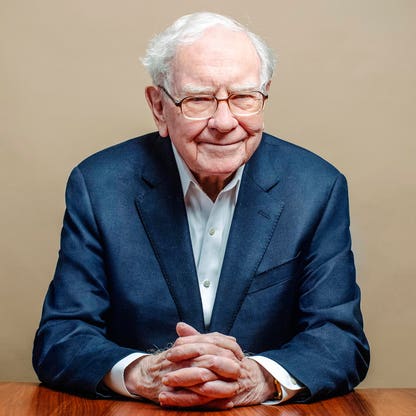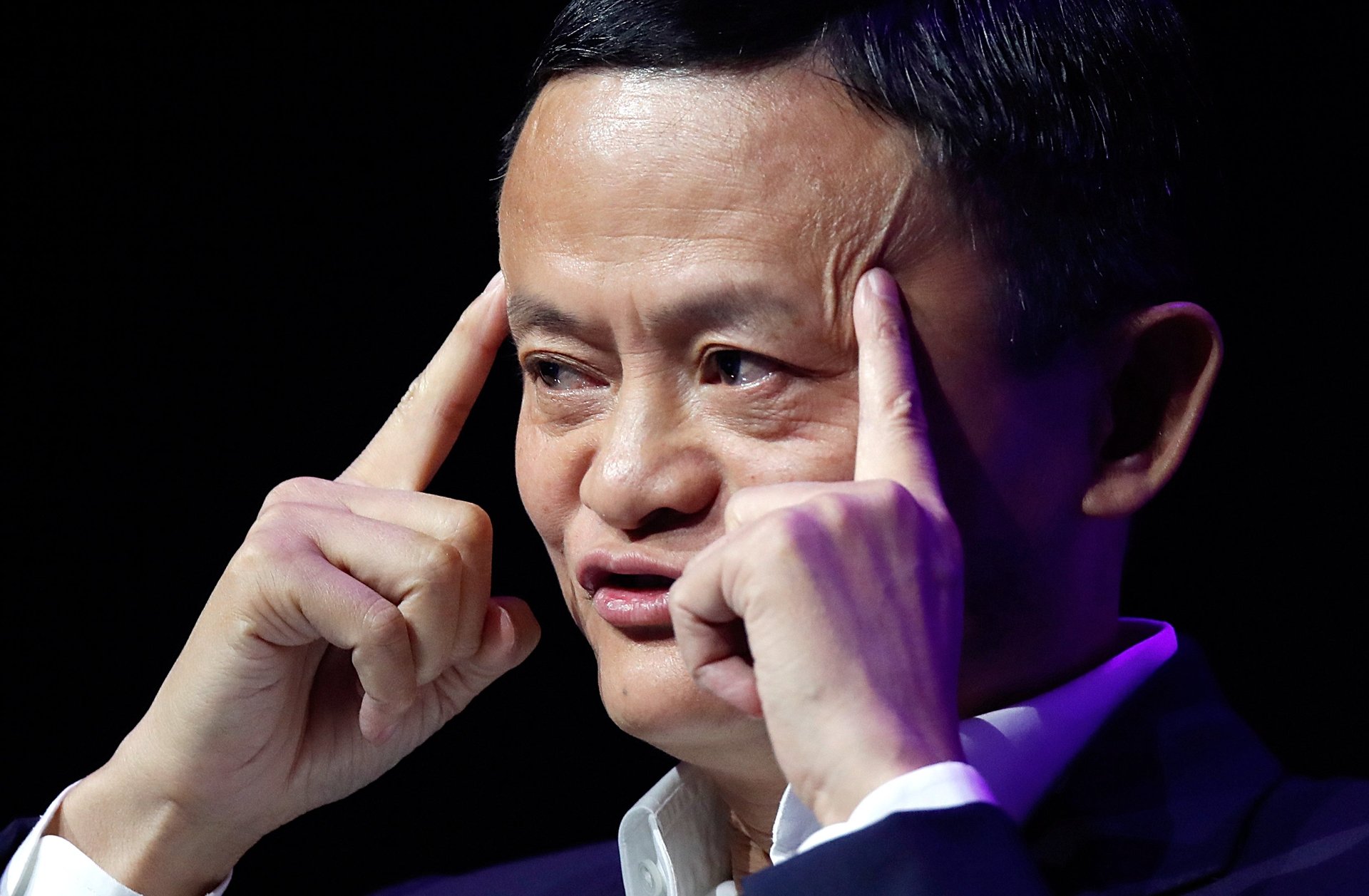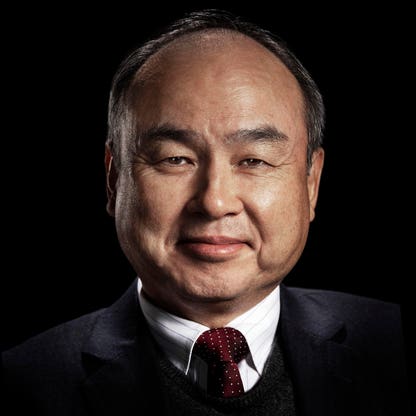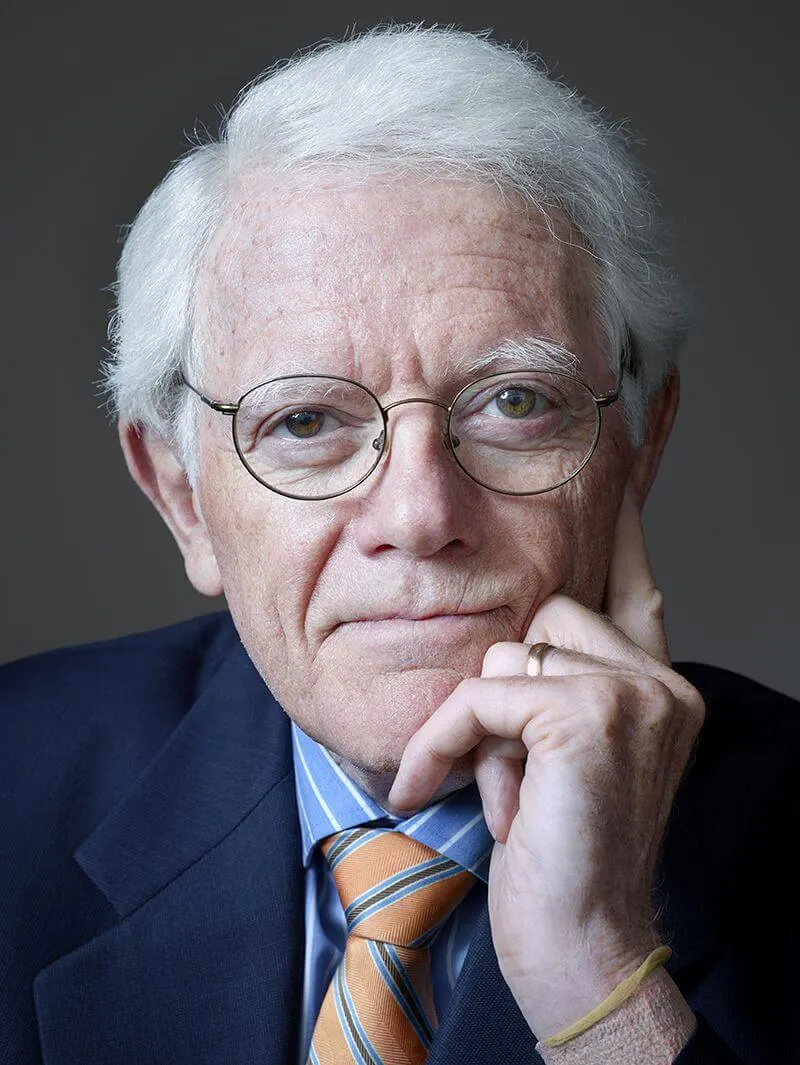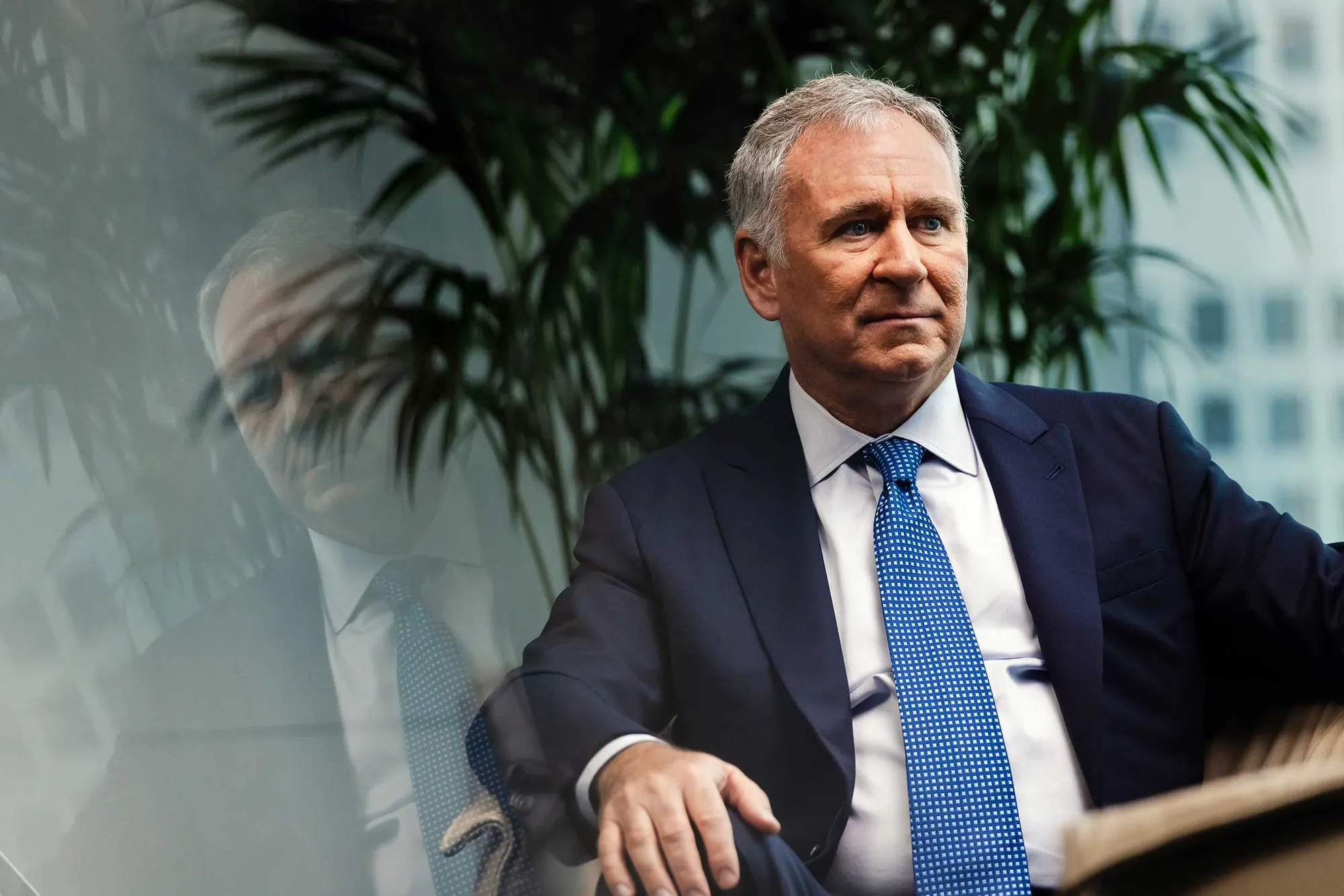
Ken Griffin, the founder and CEO of Citadel LLC, has transformed the landscape of finance and investment through his innovative approach to trading and market-making. With an estimated net worth exceeding **$30 billion**, Griffin embodies the traits of a visionary leader who has consistently pushed the boundaries of what is possible in finance. His journey from a Yale dorm room to the helm of one of the world’s most influential hedge funds is a testament to determination, analytical prowess, and strategic thinking.
Early Life and Education
Kenneth Cordele Griffin was born on October 15, 1968, in Daytona Beach, Florida. Raised in a middle-class family, Griffin developed an early fascination with finance and investing. His father was a self-made man in the business sector, and his mother served as a homemaker, instilling a sense of work ethic and ambition in their children.
In high school, Griffin demonstrated a keen interest in investing. By the age of 19, while attending Harvard University, he began trading options from his dorm room. Drawing from both intuition and academic theory, he utilized sophisticated mathematical models to drive trading decisions, setting the stage for a unique career. After majoring in economics, Griffin graduated in 1989.
The Birth of Citadel
While still a student at Harvard, Griffin founded his first investment firm, a small hedge fund focused on options trading. Upon graduation, he fully embraced the world of finance, moving to Chicago and establishing Citadel LLC in 1990. Initially a hedge fund, Citadel rapidly evolved into a multifaceted financial services firm, known for its prowess in quantitative trading and high-frequency trading (HFT).
Griffin introduced a groundbreaking approach to market-making, using cutting-edge technology to analyze vast amounts of data in real-time. This focus on quantitative strategies positioned Citadel as a pioneer in HFT, allowing the firm to capitalize on minute price discrepancies in the market. Griffin’s understanding of technology and mathematics gave him a significant advantage in an increasingly data-driven investment landscape.
Achieving Success
Citadel’s ascent in the financial world was meteoric. The firm’s innovative strategies, combined with Griffin’s leadership, enabled it to navigate various market cycles effectively. By employing advanced algorithms, the firm took on risks that were often unrecognized by traditional investors. This agile approach allowed Citadel to deliver impressive returns, even during tumultuous periods.
One defining moment in Griffin’s career came during the 2008 financial crisis. While many hedge funds struggled or suffered catastrophic losses, Citadel emerged relatively unscathed. Griffin’s cautious management style, along with the firm’s diversification into various asset classes, proved to be a fortress during market volatility. As the crisis receded, Citadel was well-positioned to capitalize on the eventual recovery, further establishing its reputation.
Innovations in Trading
Griffin has always been at the forefront of technological innovation, viewing it as a critical component of competitive advantage in finance. Citadel’s robust infrastructure includes some of the most advanced trading systems in the industry, optimizing execution speed and market analysis. His relentless commitment to technology has allowed Citadel to maintain its status as a global financial leader.
In 2021, Citadel expanded its portfolio to include Citadel Securities, a market-making firm that has become a significant player in equities and options markets. Citadel Securities now executes a substantial share of retail trades in the United States, showcasing Griffin’s commitment to enhancing market liquidity and efficiency.
Philanthropy and Influence
Apart from his accomplishments in finance, Griffin is also known for his philanthropic efforts. He has donated significant funds to various causes, with a particular emphasis on education, the arts, and public policy. In 2014, he pledged $150 million to Harvard University to fund financial aid and scholarships, reinforcing his belief in the transformative power of education.
Griffin’s philanthropic contributions extend to supporting initiatives aimed at social improvement and community development. His influence has shaped conversations around educational reform, public private partnerships, and economic empowerment.
Personal Life
Despite his immense success, Griffin maintains a relatively private personal life. He has been married twice and has three children. He resides in Miami, Florida, where he enjoys a lifestyle marked by both luxury and a commitment to community engagement.
Griffin is also known for his passion for art and classic automobiles. He has curated an impressive art collection that spans various periods and styles, further reflecting his appreciation for creativity and culture. His interests provide a glimpse into the multifaceted personality of a man dedicated to excellence both professionally and personally.
Challenges and Controversies
While Griffin’s career is characterized by significant accomplishments, it has not been without challenges. Citadel has faced scrutiny and criticism, especially in the wake of the 2021 GameStop trading saga, where Citadel Securities played a pivotal role. Critics accused the firm of exacerbating market volatility, prompting debates about the ethics of HFT and the power wielded by large financial institutions.
In response, Griffin has actively engaged in discussions about enhancing transparency and fairness in the markets. He has advocated for regulatory reform to ensure that the financial system operates efficiently and equitably, aiming to address concerns while maintaining confidence in the integrity of capital markets.
Conclusion
Ken Griffin’s journey from a young trader to the architect of a financial empire illustrates a fascinating narrative of innovation, resilience, and transformative leadership. As the founder and CEO of Citadel, he has not only redefined the hedge fund landscape but also reshaped the conversation around trading and market-making through the lens of technology and strategy.
His commitment to philanthropy and public service highlights a belief that success is not solely measured by financial gain but also by its impact on society. In an ever-changing financial landscape, Ken Griffin continues to influence and inspire, embodying the spirit of a true visionary in the world of finance. His story serves as a reminder that with ambition, innovation, and a commitment to ethical practices, remarkable achievements are attainable.